
Termites, Rodents & Moisture: How Crawl Space Water Starts Bigger Problems
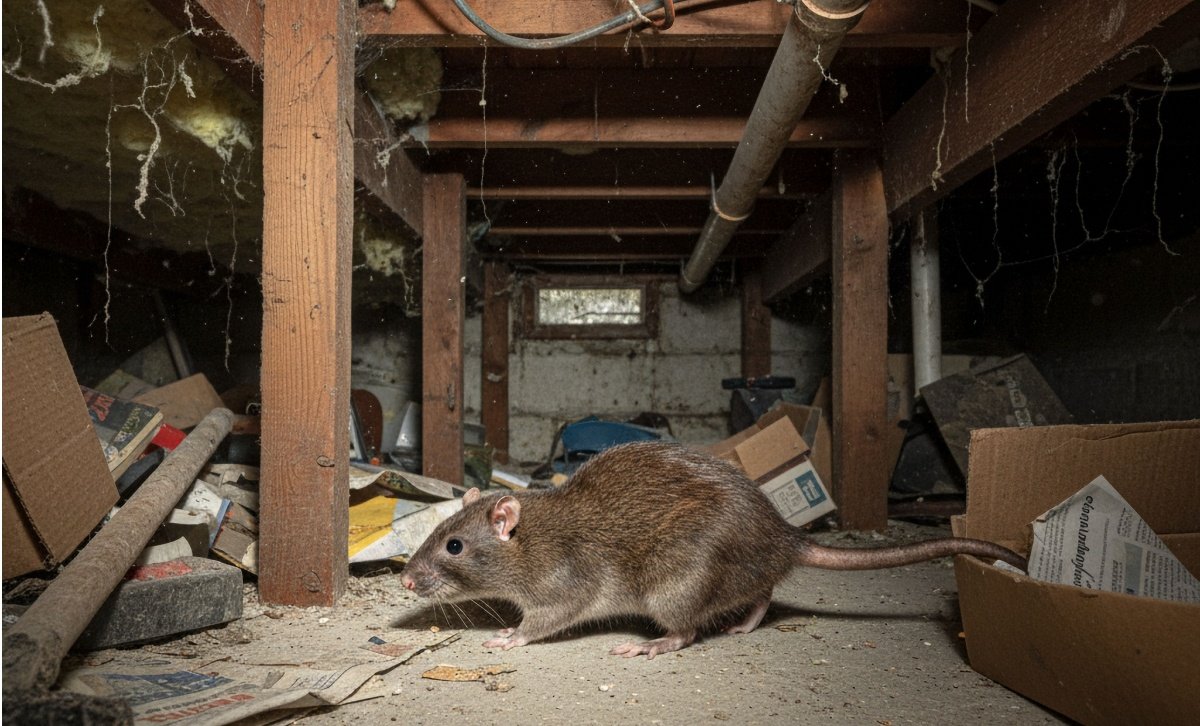
If there’s one hidden issue that quietly causes serious damage to homes in Portland, Oregon and Vancouver, Washington, it’s moisture in the crawl space.
Most homeowners don’t think about what’s happening beneath their floors — until pests show up, floors start to sag, or a musty smell spreads through the house.
But here’s the truth:
Crawl space water doesn’t just sit there — it creates the perfect environment for termites, rodents, and other destructive pests.
Why Crawl Space Moisture Is So Common in the PNW
The Pacific Northwest’s climate makes homes especially vulnerable to crawl space issues.
- Frequent rainfall
- High humidity levels
- Older homes with vented crawl spaces
- Poor drainage around foundations
According to the U.S. Department of Energy’s crawl space moisture guide, moisture in crawl spaces is one of the leading causes of structural and indoor air quality problems in homes, especially in damp climates.
When moisture builds up under your home, it doesn’t just stay contained — it spreads upward and outward.
How Moisture Attracts Termites
Termites thrive in damp, dark environments — which makes a wet crawl space the ideal habitat.
Why termites love moisture:
- Soft, damp wood is easier to chew through
- High humidity prevents them from drying out
- Moist soil allows colonies to expand quickly
The National Pest Management Association’s pest prevention guide explains that moisture-damaged wood significantly increases the likelihood of termite infestations.
Once termites establish themselves, they can:
- Damage structural beams and joists
- Spread unnoticed behind walls
- Cause thousands of dollars in repairs
Learn how to identify and prevent infestations on PestLock’s termite control page.
Why Rodents Move Into Damp Crawl Spaces
Rodents are constantly searching for three things: shelter, food, and water. A moist crawl space provides all three.
What draws rodents in:
- Standing water or condensation
- Damp insulation for nesting
- Easy access through softened wood or gaps
According to the CDC’s indoor environmental health resource, rodents and damp environments can contribute to respiratory issues and contamination risks.
Once inside, rodents can:
- Chew wiring and insulation
- Spread contamination through droppings
- Create entry points for other pests
If you’re noticing signs of activity, explore PestLock’s rodent control solutions.
Moisture Also Fuels Other Pest Problems
Termites and rodents aren’t the only concern. Crawl space moisture can attract:
- Carpenter ants (drawn to damp wood)
- Spiders (following other insects)
- Silverfish and moisture-loving insects
- Cockroaches in severe conditions
The EPA’s mold and moisture guide notes that excess moisture creates conditions that support both pest infestations and mold growth.
The Structural Damage You Don’t See (Until It’s Too Late)
Water in your crawl space doesn’t just attract pests — it weakens your home from the ground up.
Common damage includes:
- Rotting floor joists and beams
- Sagging or uneven floors
- Mold growth on wood and insulation
- Reduced energy efficiency
Research from Building Science Corporation shows that prolonged moisture exposure can significantly reduce the lifespan of structural materials.
How Crawl Space Problems Affect Your Indoor Air
What happens under your home doesn’t stay there.
A large portion of the air inside your home comes from the crawl space. That means:
- Mold spores can enter living areas
- Musty odors spread throughout the home
- Allergens and contaminants circulate indoors
The CDC highlights the connection between damp environments and respiratory health concerns.
Signs You May Have Crawl Space Moisture & Pest Activity
Watch for these warning signs:
- Musty or earthy odors indoors
- Increased spider or insect activity
- Rodent noises under the floor
- Cold or sagging floors
- Higher humidity inside your home
If you notice even one of these, there’s a good chance moisture is present beneath your home.
The Solution: Fix the Moisture, Stop the Pests
The biggest mistake homeowners make is treating pests without addressing the moisture problem.
To truly solve the issue, you need to:
- Eliminate water intrusion
- Install or repair vapor barriers
- Improve drainage around the home
- Remove damaged materials
- Seal entry points for pests
Learn how PestLock handles this with crawl space cleaning and restoration services.
Why Portland & Vancouver Homeowners Trust PestLock
PestLock specializes in the connection between crawl space conditions and pest infestations — something many companies overlook.
We don’t just treat symptoms. We solve the root problem.
- Local expertise in PNW moisture conditions
- Integrated pest + crawl space solutions
- Eco-conscious treatment methods
- Long-term prevention strategies
Explore full-home protection with residential pest control services.
Don’t Let a Hidden Problem Turn Into a Costly One
Crawl space moisture is one of the most preventable — yet most damaging — issues homeowners face in the Portland and Vancouver area.
Left untreated, it leads to:
- Expensive structural repairs
- Ongoing pest infestations
- Poor indoor air quality
The sooner you address it, the easier (and more affordable) it is to fix.
Schedule Your Crawl Space Inspection Today
If you suspect moisture, pests, or damage under your home, don’t wait.
Schedule your crawl space inspection with PestLock today and protect your home from termites, rodents, and hidden water damage.
We Lock Pests Out
Contact us for a FREE inspection!

We pride ourselves on quick responses and effective solutions for your home or business.

Trust PestLock to provide industry-leading commercial pest control services.

We’ve created this library of insects, rodents, and other pests common in the Pacific Northwest.