
How to Identify the Source of a Pest Infestation (Portland / Vancouver Homeowner Guide)
If you’re a homeowner (or renter) in the greater Portland / Vancouver (WA) region and suspect you may be dealing with a pest infestation, here’s a localized blog-style guide to help you identify the source of the infestation — what to look for, how pests behave in our Pacific Northwest climate, and steps to pinpoint where they’re coming from.
Why this matters in the Portland / Vancouver area
The Pacific Northwest brings a mix of moisture, mild winters, dense urban/suburban development, and older homes. According to local pest-control providers:
- Pests can be active year-round in our region.
- Common pests here include rodents, ants (including carpenter ants), termites, cockroaches, and wildlife invasions around homes.
- Because of our wetter climate and older wood-frame homes, pests like termites and moisture-loving insects often find favourable conditions.
Understanding where an infestation is coming from (entry points, vulnerable zones, structural issues) is arguably just as important as recognising that you have pest activity. The sooner you trace the source, the better positioned you are to intervene and prevent larger damage.
What to look for: clues & “source-tracing” signs
Here are key signs to watch — and how they help you identify where the infestation may be originating.
1. Droppings, frass, pellets
- Finding small dark pellets along baseboards, in kitchen cabinets, behind appliances? That often signals rodents (mice or rats).
- Finding sawdust-like material (wood shavings) near wood structures might hint at termites or carpenter ants.
What to do: Note where you find them — corners, under sinks, behind appliances, around exterior walls. That gives you a clue to the “travel path” or entry/exit zone.
2. Grease marks, smears, trail lines
- Rodents often travel the same routes (wall edges, baseboards) and leave greasy tracks.
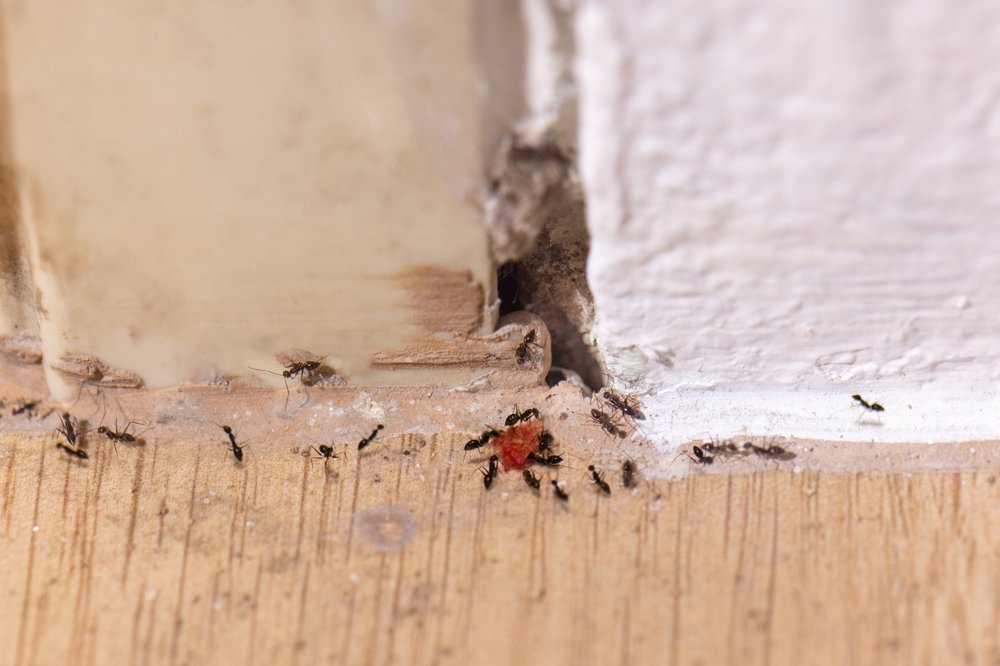
- Ants will leave trails from an outdoor nest into your home (e.g., along foundation cracks, door frames, near food sources).
What to do: With a flashlight check along walls, in attic/crawl-spaces, near utility lines. A distinct trail or marks may point you directly to the source.
3. Unusual noises or odors
- Scratching, scurrying, gnawing sounds in walls, ceilings, or floor spaces at night often indicate rodents.
- Musty or oily smells, especially in hidden areas — cockroaches and rodents can leave such odors.
What to do: Listen and smell during quiet times (night or early morning). Once you notice something, use a flashlight to inspect behind furniture or wall voids. The location of the sound/odor helps trace the infestation’s source point.
4. Visible damage or disruptions
- Chewed wires, gnawed wood, torn drywall, holes in packaging — sign of rodents aggressively establishing a presence.
- Wood that sounds hollow when tapped or wood shavings near structural beams may indicate carpenter ants or termites.
What to do: Inspect around utility penetrations, roof eaves, crawl spaces, and areas with moisture damage. Structural wood damage often also highlights the entry/source zone.
5. Nests, burrows, or outdoor entry points
- Rodents may nest in basements, attics, behind appliances, or exterior ground-level gaps.
- Ant colonies may form underground or inside moist wood of exterior walls or decks.
What to do: Walk around your home’s exterior. Look for burrows next to foundation, ant mounds, gaps where utility conduits enter, peeling vents, or areas of moisture/rot. Pinpointing the outdoor “home base” helps stop future entries.
Source-Tracing Checklist for Your Home
Here is a step-by-step you can follow for your property in the Portland/Vancouver area:
🏠 INTERIOR INSPECTION
Kitchen & Pantry
☐ Check for droppings under sink, behind refrigerator, under stove.
☐ Inspect for gnaw marks on food packaging.
☐ Look for ant trails along countertops or backsplash.
☐ Confirm all food is sealed in airtight containers.
Laundry Room / Utility Areas
☐ Inspect around washer/dryer vents and utility penetrations.
☐ Look for excess moisture or standing water (major attractant).
Bathrooms
☐ Look for signs of moisture damage under sinks.
☐ Check caulking — pests enter through gaps near plumbing.
Attic
☐ Look for droppings, nesting materials (insulation disrupted).
☐ Listen at night for scratching or movement.
☐ Inspect for entry gaps around vents or roofline.
Crawl Space / Basement
☐ Check for droppings, chew marks, or tunneling.
☐ Inspect insulation for signs of nesting.
☐ Look for moisture or wood-rot (common in PNW).
🌲 EXTERIOR INSPECTION
Foundation & Siding
☐ Inspect for cracks, holes, or gaps (especially near utility pipes).
☐ Walk the perimeter — check where soil meets siding (carpenter ants/termites).
☐ Look for ant mounds within 6 feet of foundation.
Roofline & Eaves
☐ Make sure all vents have intact screens.
☐ Check for lifted shingles or gaps at roof joints.
Windows & Doors
☐ Ensure screens have no tears.
☐ Check weather-stripping around exterior doors.
Yard / Landscaping
☐ Trim shrubs touching the home (pests use these as bridges).
☐ Store firewood at least 10 feet from house and off the ground.
☐ Inspect outdoor sheds for nesting or gnaw marks.
🚧 SOURCE CONFIRMATION
If you find any of the following, you’ve likely located the source:
☐ Droppings or frass (wood dust)
☐ Chewed materials
☐ Grease trails along baseboards
☐ Consistent ant trails to/from a single point
☐ Odor or scratching sounds in a specific wall area
🧹 CORRECTION ACTIONS
Seal & Repair
☐ Apply caulk or foam sealant to visible gaps.
☐ Replace damaged screens or vent covers.
☐ Fix leaks, standing water, or humidity issues.
Remove Attractants
☐ Store pet food in sealed containers.
☐ Deep clean crumbs/oil residue in kitchen.
Monitor
☐ Set up sticky traps or monitoring cards to confirm activity.
When to call a professional
While DIY inspection is valuable, here are cases when it’s wise to engage a licensed pest control company serving the Portland/Vancouver area:
- You find structural wood damage (e.g., roofing beams, floor joists) or termite swarming signs.
- You hear persistent sounds in walls/ceiling and can’t locate a clear path of entry.
- You’ve had recurring infestations despite cleanup/sealing efforts.
- The pest is wildlife (racoon, squirrel, bat) or you’re unsure of species and behaviour.
Many local companies note they serve this metro region specifically and are familiar with the local pest ecology.
Final thoughts
In the greater Portland / Vancouver region, pests don’t simply show up — they follow cues: moisture, structural vulnerabilities, easy food/water, hidden entry paths. By paying attention to the signs above and tracing back to where the infestation is likely entering or nesting, you can significantly improve your chance of not just removing the pests, but preventing them from returning.
We Lock Pests Out
Contact us for a FREE inspection!

We pride ourselves on quick responses and effective solutions for your home or business.

Trust PestLock to provide industry-leading commercial pest control services.

We’ve created this library of insects, rodents, and other pests common in the Pacific Northwest.